

Introduction
A child leaves homework unfinished, loses belongings, appears not to listen, resists starting tasks, and becomes distracted by nearly everything around them.
A parent or teacher may quickly conclude:
“I think this child has ADHD.”
During adolescence, the pattern may look different:
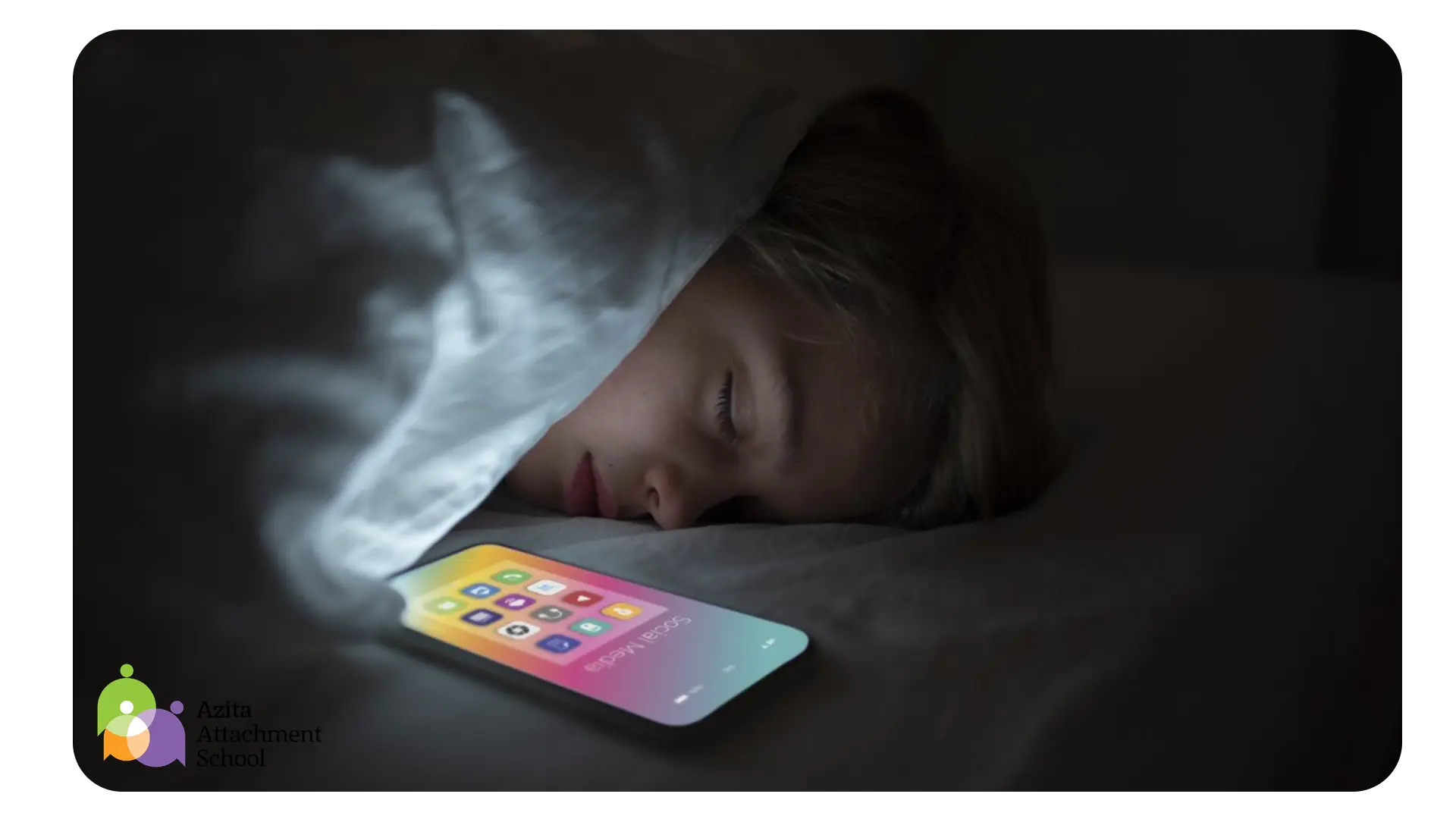
- the teenager spends hours on a phone
- struggles to focus on schoolwork
- delays tasks until the last moment
- stays awake late at night
- has difficulty waking in the morning
- becomes irritable
- and begins falling behind academically
Do these signs necessarily indicate attention-deficit/hyperactivity disorder?
No.
ADHD is a genuine neurodevelopmental disorder, but it cannot be diagnosed solely because a child is distracted, physically active, highly interested in digital games, or resistant to homework.
Anxiety, insufficient sleep, sleep disorders, depression, learning difficulties, chronic stress, traumatic experiences, physical health conditions, and problematic patterns of digital media use can all create symptoms that resemble ADHD.
A child may also genuinely have ADHD while simultaneously experiencing anxiety, sleep problems, or problematic media use.
The most useful question is therefore not simply:
“Does my child have ADHD?”
A more accurate question is:
“What factors are interfering with this child’s attention, impulse control, sleep, emotional regulation, and daily functioning?”
What Is ADHD?
Attention-deficit/hyperactivity disorder is a neurodevelopmental condition characterized by a persistent pattern of symptoms involving one or both of two broad areas.
Inattention
A child or teenager may:
- miss important details
- make careless mistakes
- have difficulty sustaining attention
- appear not to listen
- fail to complete instructions
- struggle to organize tasks
- avoid activities requiring sustained mental effort
- frequently lose necessary belongings
- become easily distracted
- forget daily responsibilities
Hyperactivity and Impulsivity
A child may:
- fidget frequently
- leave the seat when expected to remain seated
- run or climb in inappropriate situations
- struggle to play quietly
- appear constantly in motion
- talk excessively
- answer before a question is finished
- have difficulty waiting
- interrupt or intrude
- act before considering consequences
Having several behaviours from this list is not enough to establish a diagnosis. Many children are occasionally inattentive, restless, forgetful, or impulsive, particularly when they are young, tired, stressed, or bored.
A professional assessment considers the number, persistence, developmental appropriateness, age of onset, presence across settings, and functional impact of the symptoms.
What Is Required for an ADHD Diagnosis?
There is no single blood test, brain scan, or online questionnaire that independently confirms ADHD.
A comprehensive evaluation generally examines whether:
- a sufficient number of symptoms are present
- symptoms have persisted over time
- some signs were present during childhood
- the pattern is not confined to one situation
- symptoms occur in more than one setting
- behaviours are inconsistent with developmental expectations
- school, relationships, responsibilities, or daily functioning are impaired
- another condition does not better explain the symptoms
For example, a child who becomes inattentive and restless only during mathematics may be struggling with a learning difficulty, mathematics anxiety, or work that is poorly matched to their current skill level.
A child who struggles only at home but functions consistently at school requires careful exploration of family routines, accumulated fatigue after school, relationship dynamics, expectations, and differences between settings. The difference neither proves nor rules out ADHD, but it is diagnostically important.
How Can Anxiety Look Like Inattention?
An anxious child may look distracted, but the mind is often not empty. It may be intensely occupied by worry.
While attempting schoolwork, the child may be thinking:
- “What if I make a mistake?”
- “What if the teacher calls on me?”
- “What if my parent is late?”
- “What if other children laugh at me?”
- “What if I cannot finish?”
- “What if something bad happens?”
Part of the child’s attentional capacity is being used to scan for danger, predict negative outcomes, and control uncertainty.
The child may therefore:
- miss instructions
- forget what the teacher said
- delay starting
- repeatedly seek reassurance
- complete work very slowly
- avoid demanding tasks
- appear unable to concentrate
Signs That Increase Concern About Anxiety
- frequent and difficult-to-control worry
- fear of mistakes or failure
- perfectionism
- repeated reassurance seeking
- school or social avoidance
- stomachaches or headaches without a clear medical explanation
- difficulty sleeping because of worry
- intense separation fears
- fear of negative judgment
- strong sensitivity to criticism
- crying, freezing, or becoming angry before particular situations
With ADHD, attention difficulties generally appear across a broader range of situations. With anxiety, concentration may deteriorate most noticeably when uncertainty, evaluation, performance pressure, or fear of error is high.
The distinction is not always clear because anxiety and ADHD can coexist.
Can a Child With ADHD Focus on Games for Hours?
Parents often ask:
“If my child cannot focus, how can they play a video game for three hours?”
ADHD does not mean a complete inability to focus. The difficulty often involves regulating and directing attention according to the demands of a situation.
Digital games may provide:
- frequent rewards
- constant novelty
- immediate feedback
- short and clearly defined goals
- limited need for independent planning
Schoolwork may offer:
- delayed rewards
- greater repetition
- a need for self-directed initiation
- multiple steps
- prolonged mental effort
Sustained attention during gaming does not rule out ADHD. It also does not prove ADHD.
The more relevant question is how the child regulates attention during low-stimulation tasks, ordinary responsibilities, conversations, school activities, and a variety of settings.
How Can Sleep Deprivation Resemble ADHD?
Sleep-deprived adults often appear tired and slowed down. Children do not always respond that way.
Some sleep-deprived children become:
- more physically restless
- more impulsive
- easily angered
- less able to tolerate frustration
- forgetful
- distractible
- academically inconsistent
- unusually active or disruptive
Insufficient sleep may interfere with sustained attention, working memory, impulse control, processing speed, and emotional regulation. These are also important domains in ADHD assessment.
Signs That Sleep Requires Careful Evaluation
- consistently late bedtimes
- severe bedtime resistance
- phone or gaming use until sleep
- extreme difficulty waking
- daytime sleepiness
- falling asleep at school or in the car
- loud snoring
- pauses in breathing or gasping
- restless sleep
- frequent nightmares
- uncomfortable or restless legs
- major differences between weekday and weekend sleep
- morning irritability
- noticeable improvement after several nights of sufficient sleep
Loud snoring, mouth breathing, pauses in breathing, and highly restless sleep may indicate sleep-disordered breathing and should be discussed with a healthcare professional.
How Much Sleep Does a Child Need?
Sleep needs differ by age and somewhat by individual. Reliable pediatric guidance emphasizes sufficient, regular, developmentally appropriate sleep.
Duration is not the only concern. Sleep quality and consistency also matter.
A child may spend an apparently adequate number of hours in bed but receive poor-quality sleep because of frequent waking, anxiety, snoring, phone light, nighttime messaging, or an irregular schedule.
For one or two weeks, parents may find it useful to record:
- when the child goes to bed
- when the child actually falls asleep
- nighttime waking
- morning wake time
- weekend schedule changes
- daytime mood, attention, and energy
This record can provide valuable information during assessment.
How Can Phones and Digital Media Affect Attention?
The relationship between digital media and attention is complex. It is not accurate to conclude that every child who uses a phone extensively will develop ADHD. It is equally inaccurate to assume that digital habits are irrelevant to attention.
Problematic media use can affect functioning through several pathways.
Displacing Sleep
When phone use delays bedtime or wakes the child through messages and notifications, sleep loss may impair attention and emotional regulation.
Repeatedly Interrupting Attention
Notifications, rapid switching, and multiple streams of information may make sustained engagement more difficult.
Providing Frequent and Immediate Reward
After prolonged exposure to rapid novelty and immediate feedback, slower activities may feel less rewarding.
Displacing Essential Activities
Heavy use may replace sleep, physical activity, family interaction, free play, reading, and in-person social connection.
Becoming an Escape From Difficult Emotions
A child may use a phone to avoid anxiety, loneliness, academic pressure, or feelings of inadequacy. In this case, media use may not only be a cause of difficulty; it may also be a coping strategy for an underlying problem.
Increasing Family Conflict
Abrupt removal, inconsistent rules, and repeated power struggles may increase irritability and opposition.
Current pediatric guidance increasingly moves beyond simply counting hours. The type of content, timing, purpose, child characteristics, and activities displaced by media all matter.
Does Phone Use Cause ADHD?
It is not possible to conclude from an individual child’s behaviour that phone use alone caused ADHD.
ADHD is a complex neurodevelopmental condition in which genetic and developmental factors play important roles. At the same time, poorly regulated digital media use may intensify existing symptoms or create difficulties that look similar.
The relationship may operate in both directions:
- A child with attention or impulse-control difficulties may be especially drawn to rapidly rewarding media.
- Late-night and unregulated media use may worsen sleep, attention, and behaviour.
Instead of saying, “The phone made my child ADHD,” ask:
- How is the child using media?
- Is use disrupting sleep?
- Can the child stop?
- Has media displaced essential activities?
- Were attention problems present before extensive access?
- Does functioning improve when media routines are changed?
Patterns That May Help Guide Assessment
These patterns are not diagnostic rules, but they can help families collect more precise information.
A Pattern More Consistent With ADHD
- symptoms have been present since childhood
- difficulties occur in more than one setting
- problems are not limited to anxiety-provoking situations
- disorganization, forgetfulness, or impulsivity is persistent
- adequate sleep does not fully resolve the problem
- school, family, or social functioning is impaired
- different adults report a similar pattern
A Pattern That Raises More Concern About Anxiety
- concentration deteriorates when the child worries
- fear of error and reassurance seeking are prominent
- avoidance, perfectionism, or physical anxiety symptoms appear
- the child’s mind is occupied by threatening thoughts
- functioning improves in settings perceived as safe
A Pattern That Raises More Concern About Sleep
- symptoms intensify after late or disrupted nights
- waking is extremely difficult
- daytime sleepiness or irritability is present
- snoring, mouth breathing, or restless sleep occurs
- attention improves noticeably after sufficient sleep
A Pattern Associated With Problematic Media Use
- difficulties increased after a major increase in use
- nighttime media delays sleep
- stopping results in unusually severe conflict
- the child has abandoned other activities
- attention is constantly interrupted by apps and notifications
- functioning improves after structured, gradual reduction
Again, these observations help guide assessment; they do not replace it.
Other Conditions That May Resemble ADHD
A comprehensive evaluation may also consider:
- learning disorders
- hearing or vision problems
- depression
- trauma and chronic stress
- autism
- language and auditory-processing difficulties
- physical illness
- medication side effects
- substance use in adolescents
- severe family conflict
- an unsuitable learning environment
- lack of predictable structure
A child with an unrecognized reading disorder, for example, may avoid written work, become restless, joke, or disrupt the class. Focusing only on behaviour may leave the learning problem untreated.
What Information Should Parents Collect?
Replace the broad statement “My child cannot focus” with specific observations:
- Which activities are left unfinished?
- How many reminders are needed?
- When are problems most severe?
- Which activities are easier?
- What happens at school?
- What is the sleep pattern?
- When and how is digital media used?
- Are worry, fear, or physical symptoms present?
- When did the problem begin?
- Did a major family or school change occur?
- Were similar signs present in earlier years?
Teacher information is especially valuable because ADHD assessment requires an understanding of functioning outside the home.
What Does a Professional Assessment Include?
Depending on the child’s needs, an evaluation may involve:
- a detailed parent interview
- an interview with the child or teenager
- school reports
- standardized parent and teacher rating scales
- developmental and medical history
- sleep assessment
- screening for anxiety, depression, and behavioural concerns
- learning assessment when indicated
- hearing and vision testing
- exploration of family and environmental factors
- assessment of media and substance use in adolescence
A questionnaire is not a diagnosis. An elevated score indicates that further assessment may be appropriate, but a qualified professional must interpret multiple sources of information.
Should Parents Remove the Phone Before Seeking Assessment?
Sudden and complete removal is not always the best first step, particularly for teenagers whose education and social relationships partly involve technology.
A more practical approach may include:
- keeping phones outside the bedroom
- stopping screen exposure approximately one hour before sleep
- turning off unnecessary notifications
- creating device-free times and places
- avoiding media while completing homework
- establishing a regular sleep routine
- increasing physical activity and in-person contact
- clarifying the purpose of media use
- involving the child in creating rules
- improving the adults’ own media habits
The goal is not merely to confiscate the device. It is to restore balance among sleep, attention, relationships, responsibilities, and recreation.
A Useful Home Trial—But Not a Diagnostic Test
For two to four weeks, families may introduce several consistent changes:
- regularize sleep and wake times
- keep phones outside the bedroom
- remove media during homework
- divide assignments into shorter steps
- increase daily physical activity
- make directions brief and specific
- record symptoms each day
Improvement provides useful information, but it does not automatically rule out ADHD. Children with ADHD also benefit from better sleep, stronger structure, and fewer distractions.
When Should Families Seek an Assessment?
Professional evaluation is appropriate when:
- difficulties have persisted for several months
- problems occur at home and school
- academic functioning is declining
- relationships are being damaged
- the child repeatedly loses important items
- impulsivity creates safety risks
- anxiety or avoidance is severe
- sleep remains consistently disrupted
- media conflict dominates family life
- the child’s self-esteem is deteriorating
- parents and teachers do not know how to help
Families may begin with a family physician, pediatrician, child psychologist, child and adolescent psychiatrist, or developmental-behavioural pediatrician.
What Should Parents Avoid?
Premature Labels
Statements such as “You are ADHD,” “Your brain does not work,” or “You are lazy and distracted” can damage a child’s developing identity.
Blaming Everything on the Phone
Media use may contribute, but exclusive focus on the device may hide anxiety, sleep disorders, learning difficulties, or a neurodevelopmental condition.
Using Medication Without Medical Supervision
Medication prescribed to another person or used without assessment can be dangerous.
Waiting for Complete Failure
A child does not need to be suspended, fail every subject, or lose all friendships before receiving support.
Treating the Problem as a Moral Weakness
Difficulties with attention and organization are not always caused by irresponsibility, disrespect, or inadequate effort.
What Happens if ADHD Is Confirmed?
A diagnosis does not mean that the child or parent has failed. It provides a framework for understanding the child’s functioning and selecting appropriate support.
Depending on age, severity, and individual needs, intervention may include:
- parent training in behaviour management
- school support and accommodations
- organizational-skills training
- behavioural treatment
- medication prescribed and monitored by a clinician
- treatment of anxiety or other coexisting conditions
- sleep intervention
- improved media routines
- ongoing collaboration among the family, school, and healthcare team
For younger children, parent training in behaviour management is an important early intervention. Older children and adolescents may benefit from a combination of behavioural, educational, and medical supports.
Conclusion
Inattention, restlessness, forgetfulness, and difficulty completing schoolwork may indicate ADHD, but these signs are not unique to ADHD.
Anxiety can occupy a child’s attention with worry.
Insufficient sleep can impair memory, attention, impulse control, and emotional regulation.
Problematic phone use may disrupt sleep, repeatedly interrupt attention, and displace essential activities.
Learning difficulties, physical health conditions, depression, trauma, and environmental factors also require consideration.
These concerns can also coexist with ADHD. The situation is not always an either-or decision.
Accurate diagnosis does not come from one behaviour or an online quiz. Assessment should consider development, functioning across settings, sleep, anxiety, learning, physical health, relationships, and digital media habits.
The central message for parents is:
Before describing a child as lazy, irresponsible, addicted to a phone, or hyperactive, we need to understand what the child’s brain, body, and environment are experiencing.
References
- Centers for Disease Control and Prevention. ADHD in Children.
- Centers for Disease Control and Prevention. Symptoms of ADHD.
- Centers for Disease Control and Prevention. Diagnosing ADHD.
- American Academy of Pediatrics. Clinical Practice Guideline for the Diagnosis, Evaluation, and Treatment of ADHD in Children and Adolescents.
- National Institute of Mental Health. Attention-Deficit/Hyperactivity Disorder: What You Need to Know.
- National Institute of Mental Health. Generalized Anxiety Disorder: What You Need to Know.
- National Institute of Mental Health. Children and Mental Health: Is This Just a Stage?
- American Academy of Pediatrics. Digital Ecosystems, Children, and Adolescents: Policy Statement.
- American Academy of Pediatrics. Digital Ecosystems, Children, and Adolescents: Technical Report.
- American Academy of Pediatrics. Screen Time Affecting Sleep.
- Centers for Disease Control and Prevention. Other Concerns and Conditions With ADHD.
- Centers for Disease Control and Prevention. Treatment of ADHD.




دیدگاه خود را بنویسید