Blog

The Circle of Security: A Guide to Building a Secure Relationship with Your Child
The Circle of Security is a research-based attachment parenting model that helps parents understand their child’s emotional needs and build a secure, responsive relationship.
How Intergenerational Trauma Shapes Our Parenting Style
Conscious parenting
How Unresolved Parental Trauma Shapes a Child’s Attachment Style
The Role of School Counselors in Identifying Children with Insecure Attachment Styles
How Can a Preschool Teacher Become an Attachment Figure for a Child?
What Is Conscious Parenting and How Can We Bring Mindfulness Into the Parent-Child Relationship?
Parenting After Trauma: From Survival to Secure Connection
How Attachment Theory Can Transform Your Parenting Style
Types of Attachment Styles in Children and Parents: An Early Recognition Guide
7 Key Educator Behaviors That Build Psychological Safety for Children
5 Common Mistakes Insecure Parents Make — And How to Fix Them
What Is Attachment Theory and Why Does It Still Matter?

Dependent Children and Over-Involved Parents: Roots of Unhealthy Attachment and How to Heal Enmeshment

Introduction On the surface, it can look beautiful: A mother who does everything for her child, always present, always available, always deciding, always protecting. A father...

Nervous System Parenting: How a Parent’s Calm Shapes a Child’s Brain and Emotional Security

Introduction Over the past decade, terms like: co-regulation window of tolerance nervous system parenting polyvagal theory have become central in the fields of infant mental health,...

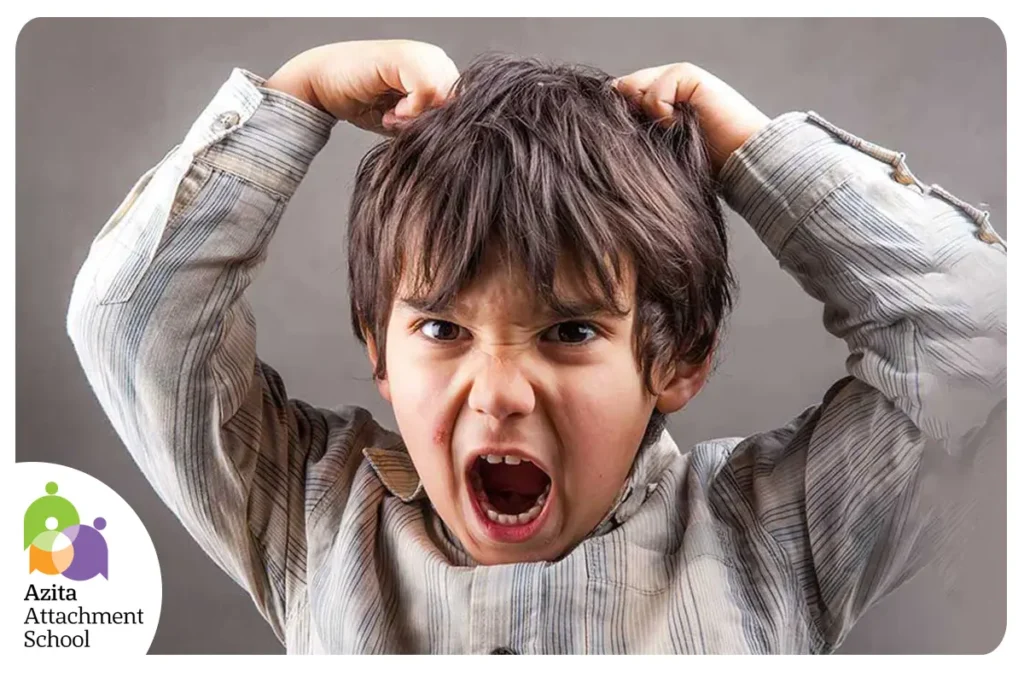
Attachment and Childhood Anger: Why Some Kids Explode and Others Shut Down

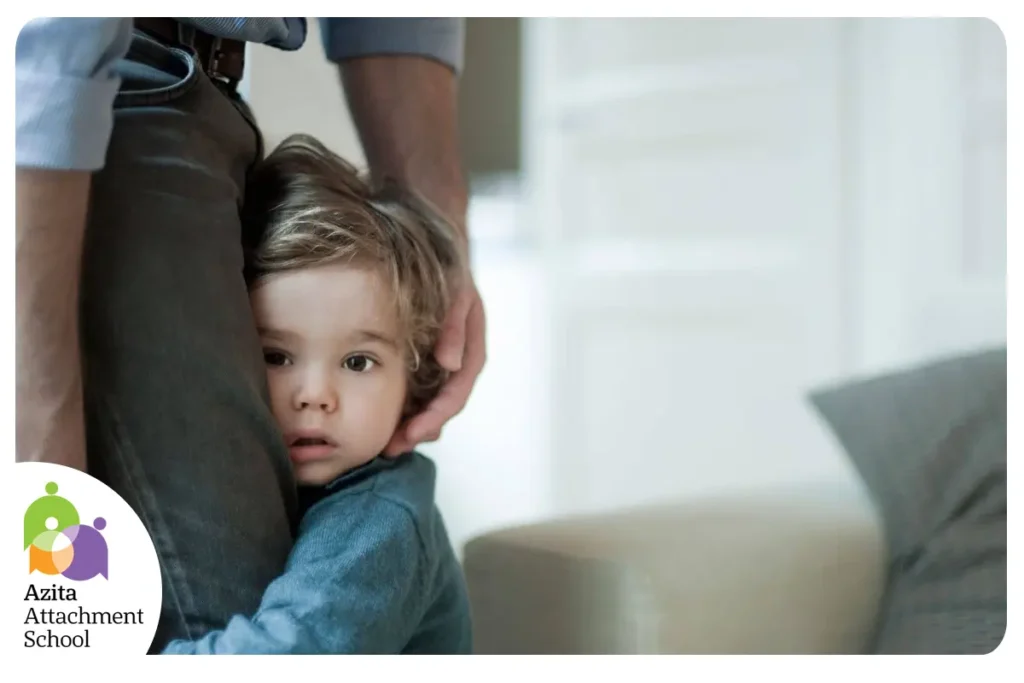
Introduction If you watch a group of children in a frustrating situation – someone cuts the line, a toy is taken, a game feels unfair –...

Healthy Parent–Child Boundaries: Emotional Safety, Respect, and Secure Attachment

Introduction Healthy boundaries are not walls. They are the invisible structure that protects both the relationship and the individuals within it. Boundaries communicate: “You and I...

Why Teenagers Stop Talking to Their Parents: The Role of Shame, Anxiety, and Attachment

Introduction A teenager’s silence is rarely an act of rebellion. More often, it is a form of protection protection from shame, judgment, emotional overwhelm, or the...

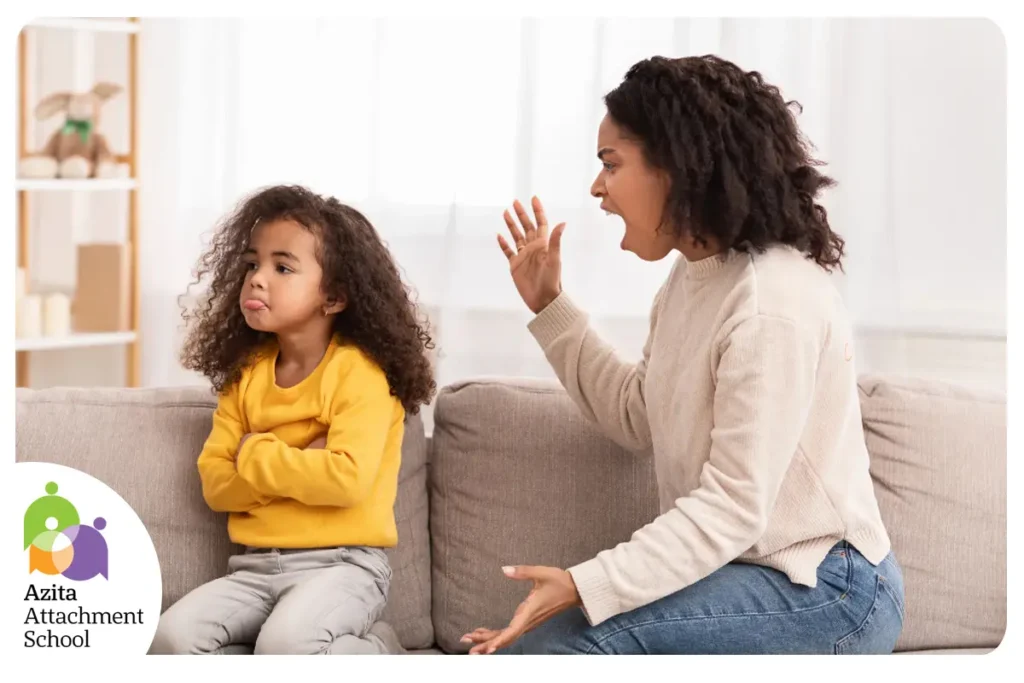
Parental Anger and Yelling at Children: An Attachment-Based Neurobiological Analysis

Introduction Most parents who yell at their children do not do so because they lack love. They yell because their nervous system becomes overwhelmed, their emotional...