
Parenting in Political Instability
Introduction In times of political instability and ongoing violence, children do not need full explanations of geopolitics. They need emotional safety. Emotional safety does not mean the world is safe—it means the child has a predictable, responsive caregiver. This article explains: What emotional safety means How instability threatens it Five pillars that build it Step-by-step […]
How to Manage Your Anxiety in Front of Your Child
Introduction In crisis, many parents carry a private sentence all day long I am not okay. How am I supposed to be calm for my child Then guilt arrives If I feel anxious, I am damaging my child This article is not about becoming perfectly calm. The evidence based goal is different not zero anxiety, but anxiety that […]
Nightmares, Bedwetting, and Extreme Clinginess
Common Child Responses to Collective Shock and Violent Crisis (Evidence-Based Guide for Parents) During violent collective crises, parents commonly report three sudden changes: nightmares and disrupted sleep a return of bedwetting after a dry period extreme clinginess and separation distress Some parents immediately conclude: “My child is traumatized.” Others minimize: “They’re being dramatic.” A clinical, […]
Are Children “Traumatized” During Collective Crisis?

Introduction In times of collective violence and national instability, the word “trauma” spreads fast. Parents ask: “My child is having nightmares, does that mean trauma?” “My child is suddenly clingy, is that PTSD?” “My child can’t focus, did the crisis damage them?” These questions make sense. In crisis, our minds search for labels to make chaos understandable. But clinically, […]
How to Talk to Children About Violence and National Crisis
Introduction When society becomes unstable, through violence, shocking news, and uncertainty, parents face a painful dilemma: Speak too much and risk frightening the child; say nothing and leave the child alone with imagination, rumors, and the emotional atmosphere at home. UNICEF’s guidance is clear: in times of crisis, children look to parents for safety, and conversations […]
Co-Parenting After Divorce: How to Protect a Child’s Emotional Security
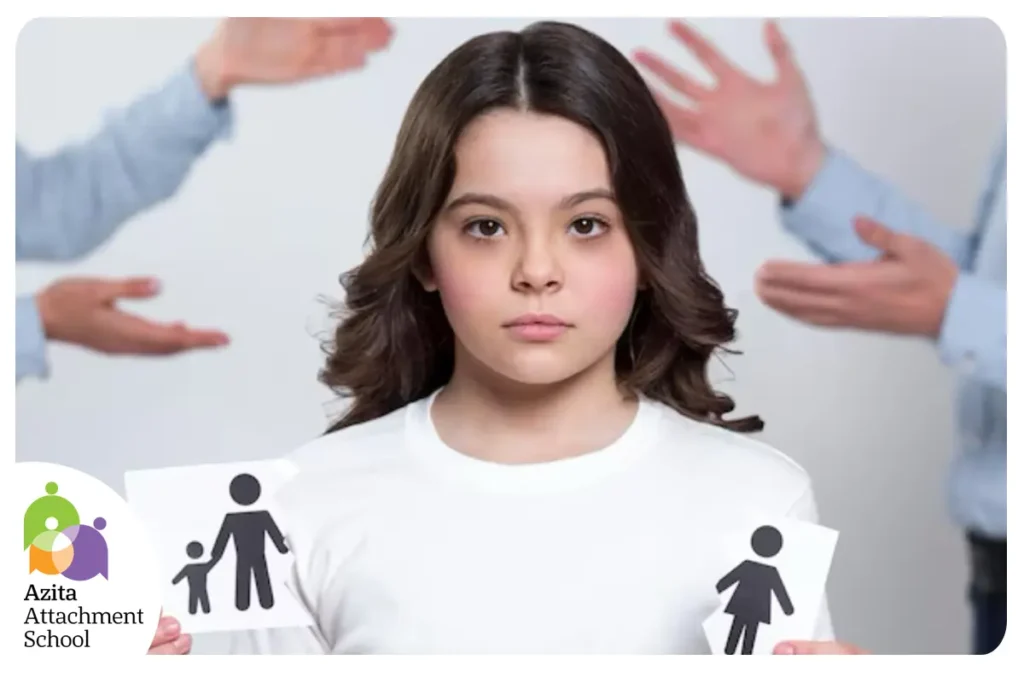
Introduction For a child, divorce often feels like an earthquake: the “one family” they knew splits into two homes, two routines, two worlds. Many parents quietly fear: “Have we ruined our child’s life?” “Will our child be broken forever because we separated?” Research paints a more nuanced picture: Divorce itself does not automatically damage a child beyond repair. […]
Rumination in Children and Teens: Why Young Minds Get Stuck and How Attachment Can Break the Cycle
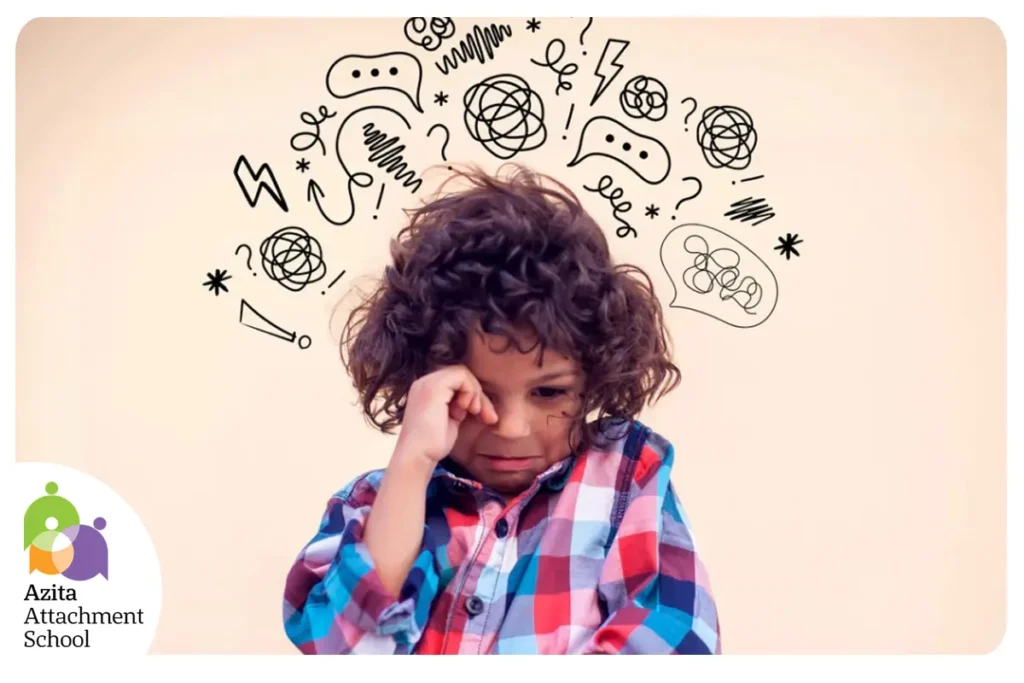
Introduction Some children and teenagers share a common struggle: their minds never rest. They worry constantly They replay events repeatedly They analyze conversations over and over They predict worst-case scenarios They often feel overwhelmed by their own thinking Parents often ask: “Why does my child overthink everything?” “Why can’t they let go of a simple thought?” “Why do small […]
Dependent Children and Over-Involved Parents: Roots of Unhealthy Attachment and How to Heal Enmeshment
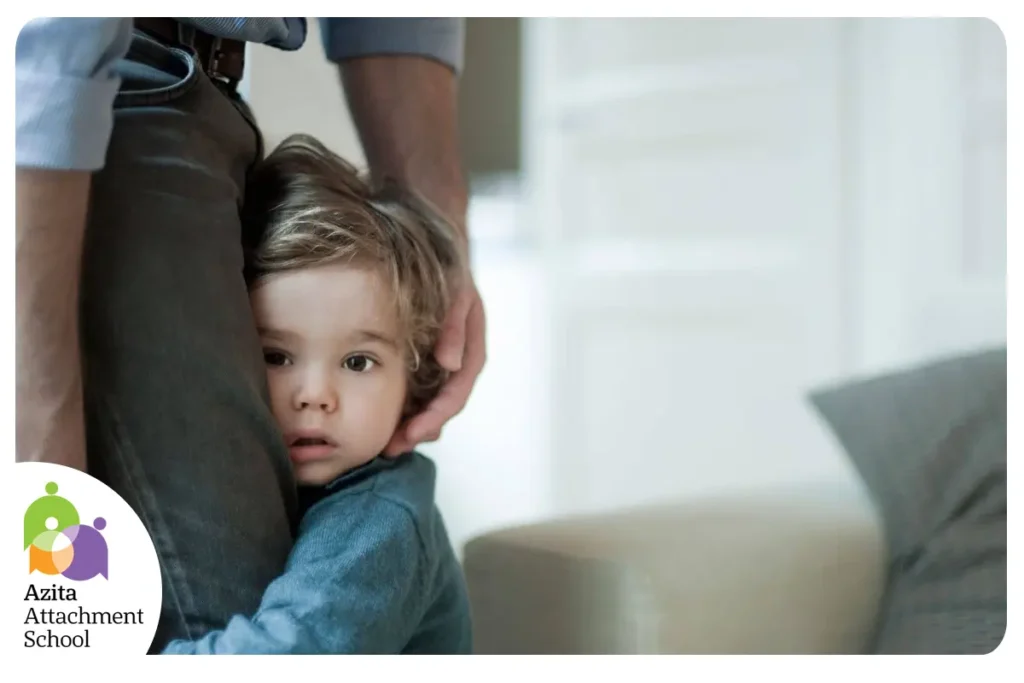
Introduction On the surface, it can look beautiful: A mother who does everything for her child, always present, always available, always deciding, always protecting. A father who intervenes in every conflict, writes the emails to teachers, negotiates with friends’ parents, manages every challenge, and says: “I just don’t want my child to suffer like I did.” From a […]
Nervous System Parenting: How a Parent’s Calm Shapes a Child’s Brain and Emotional Security

Introduction Over the past decade, terms like: co-regulation window of tolerance nervous system parenting polyvagal theory have become central in the fields of infant mental health, trauma-informed care, and modern parenting science. But these concepts simply give scientific language to something attachment theory knew long ago: Children regulate through the bodies of their caregivers, not through […]
Attachment and Childhood Anger: Why Some Kids Explode and Others Shut Down
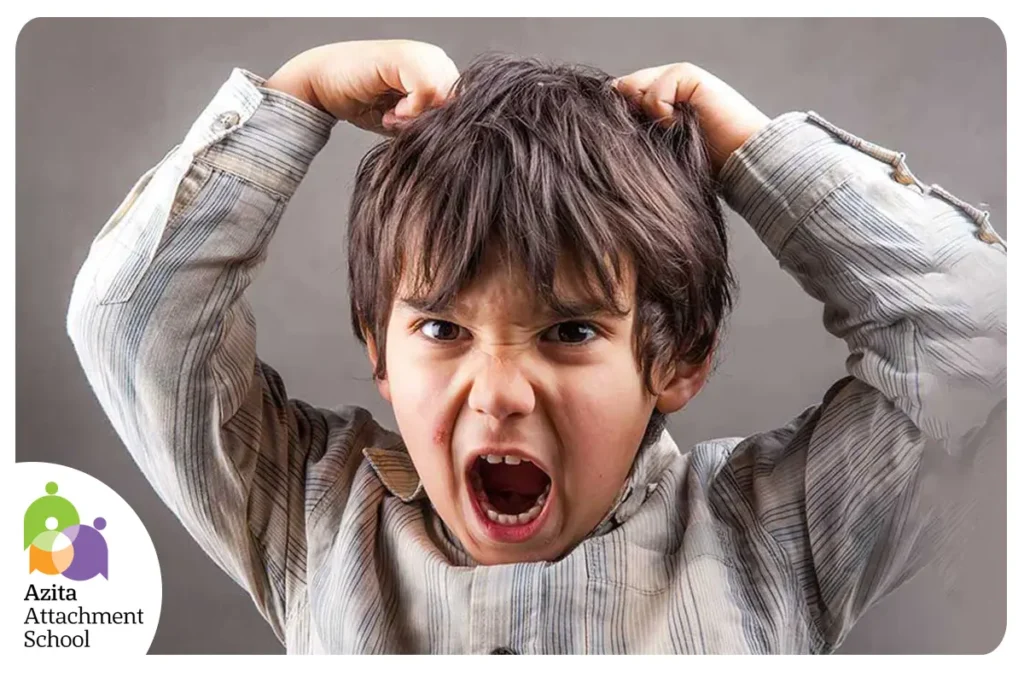
Introduction If you watch a group of children in a frustrating situation – someone cuts the line, a toy is taken, a game feels unfair – you will see very different responses: One child screams, hits, throws, or kicks. Another child gets very quiet, looks away, and whispers, “It’s fine,” while their eyes fill with tears. […]