
A Practical Guide to Apology, Repair, and Rebuilding Emotional Safety
Introduction
Sometimes it happens within seconds.
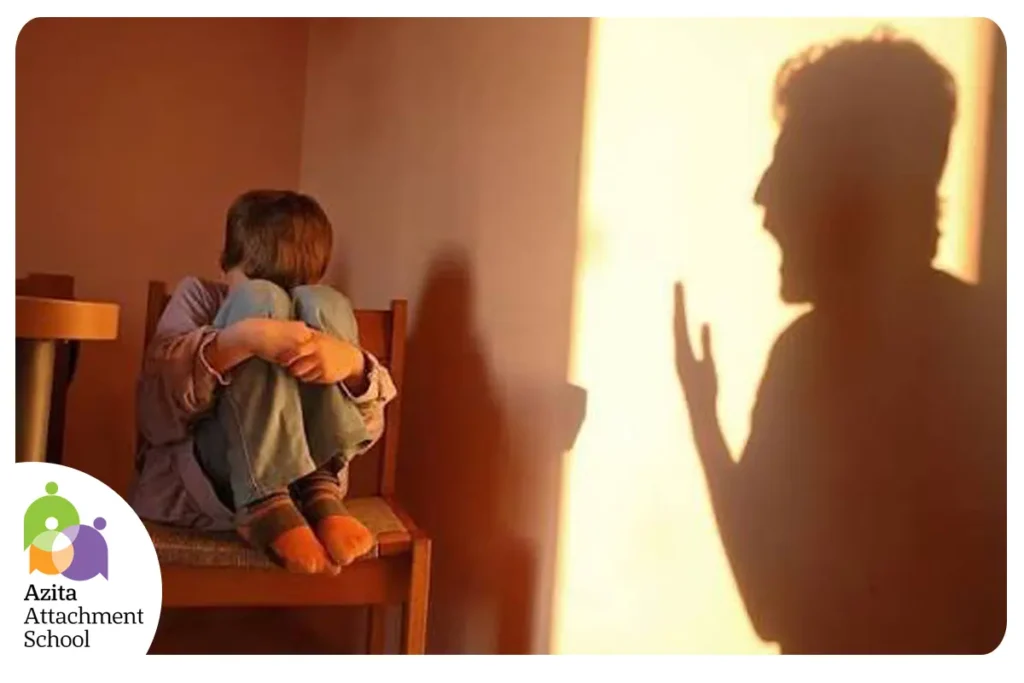
A child refuses for the fifth time. The house is noisy. The parent is exhausted, worried, overwhelmed, or running late. Their voice rises, and they say something they regret almost immediately:
“I am so tired of you.”
“Why can’t you ever behave properly?”
“Be quiet. I don’t want to hear another word.”
“You ruin everything.”
When the anger passes, the room may feel painfully quiet. The child may cry, withdraw, become defiant, or pretend that nothing happened. The parent is left with guilt and fear:
“Have I harmed my child?”
“Did I damage their trust?”
“Will apologizing undermine my authority?”
“How do I make this right?”
Yelling should not be minimized. A loud, angry voice combined with threats, humiliation, or frightening body language can activate a child’s stress response. When yelling becomes frequent, intense, and unpredictable, it may affect emotional safety, self-esteem, emotional regulation, and the quality of the parent–child relationship.
But another truth is equally important:
Healthy relationships are not relationships in which conflict never occurs. They are relationships in which people return, take responsibility, and repair after disconnection.
The parent’s mistake matters. What happens after the mistake also matters. Through repair, children can learn that conflict does not always end relationships, adults can take responsibility for their behaviour, and love can coexist with accountability.
Does One Episode of Yelling Destroy the Relationship?
One angry episode does not define the entire parent–child relationship. Relationships are built through thousands of small daily interactions:
- looking at the child when they speak
- responding to distress
- playing and talking
- providing care during illness
- setting limits
- offering comfort after fear
- returning after disagreement
When a parent is generally responsive, emotionally available, and supportive, an individual rupture can usually be repaired.
This does not mean yelling is harmless. There is an important difference between:
- raising one’s voice to stop a child from entering danger
- losing control during an unusually difficult moment
- and creating a chronic pattern of screaming, insulting, threatening, humiliating, or frightening a child
The more frequent, severe, and unpredictable the yelling becomes, the greater the risk to the child’s sense of safety. In a chronic pattern, apology is necessary but not sufficient. The behaviour itself must change.
What Does a Child Experience When a Parent Yells?
Children do not all experience yelling in the same way. Age, temperament, sensitivity, previous experiences, the words used, and the intensity of the parent’s behaviour all matter.
Young Children
Young children may not understand that the parent is overwhelmed by work, sleep loss, or financial stress. They may experience the parent’s loud voice as immediate danger and fear that the relationship or the parent’s love is disappearing.
School-Age Children
Older children may draw conclusions about themselves from the parent’s words:
“I am a bad child.”
“I always ruin things.”
“My parent is tired of me.”
“I must never make mistakes if I want to be loved.”
Teenagers
Teenagers may appear indifferent or oppositional, while internally feeling humiliated, angry, unsafe, or emotionally disconnected. They may stop sharing personal information or hide vulnerability to protect themselves.
Yelling is not only about the spoken message. Facial expression, posture, tone, and emotional intensity are also part of the child’s experience. A child may forget the exact words but remember the fear, shame, or helplessness.
What Does Relationship Repair Mean?
Repair is the deliberate process of returning to connection after emotional safety, trust, or communication has been disrupted.
Repair is more than saying “sorry.” Effective repair usually involves:
- becoming sufficiently calm
- naming the behaviour clearly
- accepting responsibility
- acknowledging its possible impact on the child
- refusing to blame the child for the adult’s loss of control
- maintaining necessary behavioural boundaries
- creating a realistic plan for future situations
- allowing the child to express feelings
Repair communicates:
“What happened matters.”
“I am responsible for my behaviour.”
“You do not have to pretend you were not hurt.”
“Our disagreement did not end our relationship.”
Why Do Some Parents Avoid Apologizing?
Some parents fear that apologizing will weaken their authority. They may have grown up in families where adults never acknowledged mistakes and children were not allowed to challenge them.
Others worry that the child will use the apology to avoid responsibility or assume that the original family rule no longer matters.
A healthy apology does not remove the boundary. A parent can say both:
“Yelling was wrong.”
and:
“The screen-time limit still applies.”
Taking responsibility does not eliminate authority. It builds ethical authority by showing that power does not place a person above accountability.
When Should the Repair Conversation Happen?
Repair should not begin while the parent is still highly activated. When the nervous system remains in a strong fight response, the parent is more likely to justify, defend, lecture, or become angry again.
The parent may first need to:
- step away briefly
- drink water
- slow breathing
- release tension in the shoulders and face
- decide what needs to be said
- make sure the goal is accountability rather than self-defence
A pause should not turn into prolonged punitive silence. Children benefit from knowing the parent will return:
“I am very angry, and I do not want to say more hurtful things. I am taking a few minutes to calm down, and then I will come back so we can talk.”
The younger the child, the shorter and more predictable the pause should be.
The Essential Parts of an Effective Apology
1. Name the Behaviour Specifically
Instead of:
“I’m sorry about what happened.”
say:
“I raised my voice and yelled at you.”
or:
“I said that you always ruin everything. That was insulting and hurtful.”
Specific language shows the child that the parent understands the actual injury.
2. Take Responsibility Without an Excuse
This is not an effective apology:
“I’m sorry I yelled, but you made me lose my mind.”
It places responsibility for the adult’s behaviour on the child.
Context can be explained without becoming justification:
“I was exhausted and overwhelmed, but managing my anger was still my responsibility.”
3. Acknowledge the Child’s Possible Experience
A parent cannot know exactly what the child felt, so use open language:
“My loud voice may have frightened or upset you.”
“I understand if you felt I was not listening.”
Then allow the child to respond.
4. Make It Clear the Child Is Not Responsible for the Parent’s Anger
A parent can say:
“Your behaviour needed to be addressed, but yelling was my choice. You are not responsible for controlling my voice.”
This separates the child’s responsibility for behaviour from the adult’s responsibility for emotional regulation.
5. Keep the Original Boundary
If the child broke a rule or harmed someone, repair should not remove accountability:
“Throwing the toy was not okay, and we still need to address that. I also should not have humiliated you.”
Two truths can exist together:
The child needs to change a behaviour.
The parent needs to take responsibility for their reaction.
6. Describe a Concrete Plan for Change
Repeated apologies without changed behaviour do not rebuild trust.
A plan should be specific:
“Next time I feel that angry, I will step away for five minutes before speaking.”
“I will give you a ten-minute warning before screen time ends.”
“If I notice my voice rising, I will stop and repeat my sentence more calmly.”
7. Be Ready to Listen
The child might say:
“You scared me.”
“I hated you.”
“I thought you didn’t love me.”
“You always do this.”
The parent’s first job is not to debate the wording. Listening does not mean agreeing with every interpretation. It means respecting the child’s experience.
Helpful responses include:
“I understand that it felt that way.”
“I want to hear more.”
Sample Apology for a Young Child
“Mom got very angry and used a loud voice. My voice may have scared you. Yelling was not okay. You are not responsible for my voice. The rule about putting toys away still matters, but I need to help you more calmly. I am here now, and I love you.”
Sample Apology for a School-Age Child
“When you stopped doing your homework, I became angry and called you lazy. That was not okay because I attacked who you are instead of talking about the problem. You may have felt embarrassed or hurt. You still need to take responsibility for your homework, and I need to speak respectfully. Next time I will pause before we make a homework plan.”
Sample Apology for a Teenager
“Last night I raised my voice, interrupted you, and said something humiliating. That was my responsibility. Disagreeing with your decision did not give me permission to disrespect you. We still need to discuss your return time, but I want to continue that conversation without yelling or insulting you.”
What Is Not a Real Apology?
“I’m sorry, but you started it.”
This transfers responsibility.
“I’m sorry if you were upset.”
This avoids naming the parent’s behaviour and makes the child’s reaction the problem.
“I yelled because I care about you.”
A protective intention does not erase the impact of harmful behaviour.
“All parents yell.”
A common behaviour is not automatically safe or acceptable.
“I will never yell again.”
This may be an unrealistic promise. A specific plan for reducing and managing yelling is more credible.
“I am the worst parent in the world.”
This can pressure the child to comfort the parent. The apology should focus on the child’s experience and the adult’s responsibility.
Does the Child Have to Accept the Apology Immediately?
No.
A child may still be angry, need space, or be unable to talk immediately. The parent should not demand:
“Do you forgive me now?”
That question may push the child to suppress genuine feelings to reassure the parent.
A better response is:
“You do not have to answer right now. I understand that you may still be upset. I am here, and we can talk again later.”
Trust is not rebuilt by words alone. The child needs to observe change in the parent’s behaviour over time.
Repair Is More Than One Conversation
After the apology, connection is rebuilt through ordinary interactions:
- giving full attention when the child speaks
- following through on promises
- offering physical affection if the child wants it
- playing or doing an activity together
- maintaining limits respectfully
- returning to predictable routines
- spending brief one-to-one time
- asking for the child’s perspective
- listening without lecturing
For young children, play may be an especially important pathway back to safety. A child may not have the language for a long emotional conversation but may reconnect through shared play, closeness, and calm presence.
How Can Parents Prevent Repeated Yelling?
Guilt without structural change often creates a repeating cycle:
yelling, regret, apology, perfectionistic effort, pressure building again, and another explosion.
To interrupt the cycle, parents need to examine what makes yelling more likely.
Identify Triggers
Ask:
- When am I most likely to yell?
- Which behaviours trigger me quickly?
- Am I hungry, exhausted, overstimulated, or late?
- Do noise, mess, disrespect, or slow transitions feel especially intolerable?
- Does my child’s behaviour activate an old memory or fear?
- Do I have enough practical support?
Notice Early Physical Warning Signs
The body usually signals escalation before the yell:
- clenched jaw
- faster heart rate
- chest pressure
- heat in the face
- rapid speech
- an urge to threaten, shame, or control
Recognizing these signals creates a chance to pause before the explosion.
Give Clearer Instructions
Yelling often follows repeated vague requests.
Instead of shouting from another room, move closer, use the child’s name, establish appropriate attention, and give one brief direction:
“It is time to put your shoes on.”
For children who struggle with transitions, provide advance warning:
“Screen time ends in ten minutes.”
Reduce Unnecessary Battles
Not every disagreement deserves escalation. Focus on safety, respect, and essential responsibilities while allowing flexibility in lower-priority areas.
Protect Parent Recovery
A parent living with chronic sleep loss, overload, and isolation will have less emotional capacity. Supporting the parent is not a luxury. It is part of protecting the relationship.
Seek Professional Help
Professional support is important when yelling is frequent, becomes threatening or humiliating, causes the child to fear the parent, or feels increasingly uncontrollable.
Therapy, parent coaching, treatment for anxiety or depression, sleep intervention, and practical family support may all be relevant.
What if the Child Also Behaved Badly?
Repair does not mean removing boundaries.
If a child hit a sibling, the parent can say:
“Hitting is not allowed, and you need to take responsibility for that. I also should not have screamed or insulted you. We both need to correct our behaviour.”
The parent is responsible for adult self-regulation. The child is responsible, in a developmentally appropriate way, for learning safer behaviour.
Parents should not deny their own mistake to preserve authority. They also should not become permissive because of guilt.
Healthy repair protects both connection and structure.
When Yelling Has Become a Chronic Pattern
When screaming, threatening, insulting, or frightening is common in the home, one brief apology is not enough.
The parent may need to acknowledge:
“This was not an isolated incident. It has become a pattern.”
Change may require:
- individual therapy
- evidence-based parent training
- family therapy
- assessment for parental burnout
- treatment for anxiety or depression
- substance-use treatment if relevant
- a safety plan
- practical family support
- consistent co-parenting expectations
If the child appears afraid of the parent, startles at their voice, becomes hypervigilant, or constantly monitors the parent’s mood, the situation should be taken seriously.
When Is Immediate Help Necessary?
Urgent support is necessary when yelling is accompanied by:
- threats to harm the child
- shaking, pushing, hitting, or restraining
- throwing objects
- blocking the child’s exit
- severe and repeated humiliation
- losing awareness or control during anger
- substance use while caring for the child
- fear that the parent may hurt the child
- thoughts of harming oneself or the child
The immediate priority is safety. Place the child with a safe adult, step away, and contact emergency or crisis services in the local area.
Conclusion
Yelling can frighten a child, create shame, and strain the parent–child relationship. When it becomes severe or repetitive, it can significantly undermine emotional safety.
But a mistake does not have to become the final story of the relationship.
Repair occurs when a parent:
- returns
- names the behaviour honestly
- accepts responsibility without blaming the child
- listens to the child’s experience
- maintains appropriate boundaries
- and creates a realistic plan for change
A healthy apology does not destroy authority. It teaches that power and accountability belong together and that people can work to rebuild trust after causing harm.
Children do not need perfect parents. They need parents who can recognize mistakes, resist defensiveness, return to repair, and demonstrate change through consistent behaviour.
The central message of repair is:
“My behaviour was not okay. You are not responsible for my anger. Your feelings matter to me. The family boundary still exists, and I am responsible for enforcing it without humiliation or fear. Our relationship matters, and I am working to do better.”
References
Responsive Relationships and Child Development
- Center on the Developing Child at Harvard University. Serve and Return: Back-and-Forth Exchanges.
- Center on the Developing Child at Harvard University. A Guide to Serve and Return and Early Childhood Development.
- Center on the Developing Child at Harvard University. Three Principles to Improve Outcomes for Children and Families.
- Center on the Developing Child at Harvard University. Toxic Stress.
Parental Anger and Reducing Yelling
- Child Mind Institute. Calm Voices, Calmer Kids.
- American Psychological Association. Angry Kids, Angry Parents.
- American Psychological Association. Violence Prevention for Families of Young Children.
Positive Communication and Professional Support
- Centers for Disease Control and Prevention. Positive Parenting Tips.
- Child Mind Institute. Complete Guide to Managing Behavior Problems.
- Child Mind Institute. Angry Kids: Dealing With Explosive Behavior.