

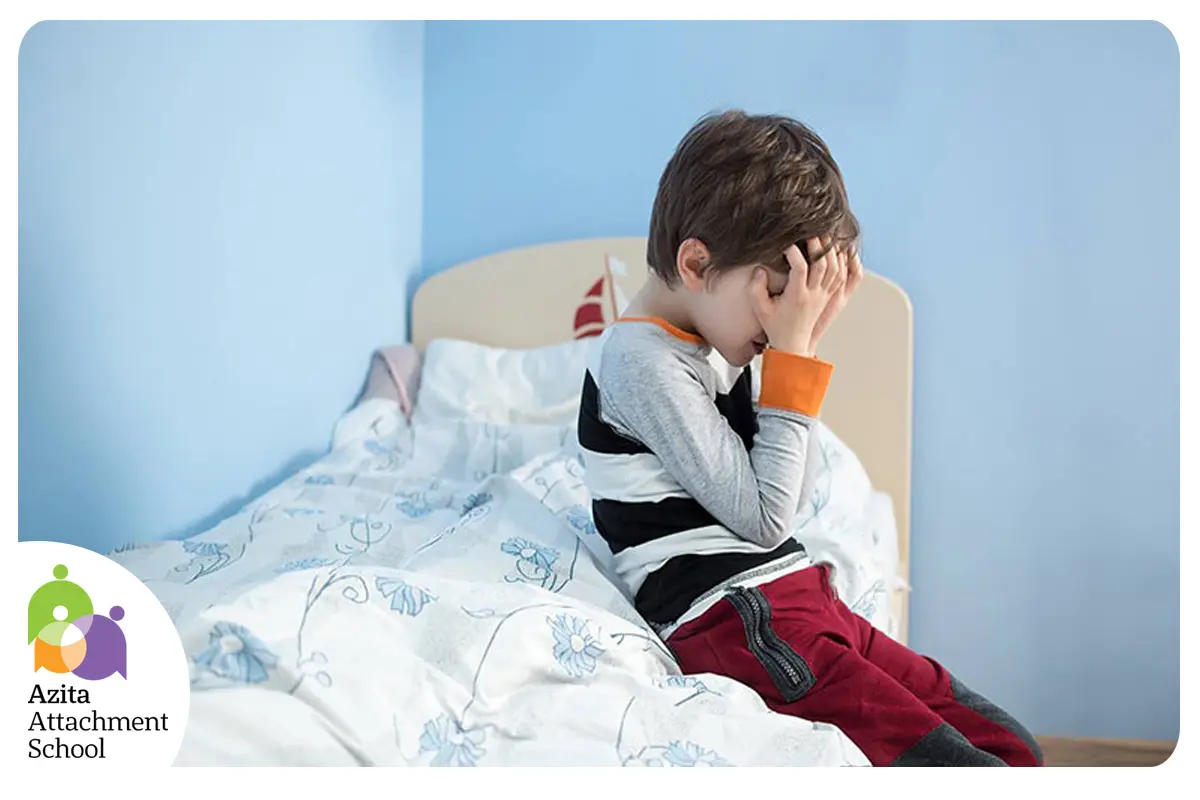
Common Child Responses to Collective Shock and Violent Crisis (Evidence-Based Guide for Parents)
During violent collective crises, parents commonly report three sudden changes:
- nightmares and disrupted sleep
- a return of bedwetting after a dry period
- extreme clinginess and separation distress
Some parents immediately conclude: “My child is traumatized.”
Others minimize: “They’re being dramatic.”
A clinical, evidence-based stance is more nuanced: in the early phase of crisis, many of these reactions are expected nervous-system responses, and many children recover when safety, connection, and routine are restored. But if symptoms become severe, persistent, and impairing, professional assessment is appropriate.
This article explains why these symptoms happen, what is typical vs concerning, and how parents can respond step-by-step.
Why crisis shows up in sleep, the body, and attachment
When a child perceives danger, directly or indirectly, the nervous system shifts into survival mode. That shift affects:
Sleep: emotional processing becomes activated and can produce nightmares or bedtime fear.
Body control: stress can disrupt regulation, and some children regress in toileting.
Attachment: closeness becomes the child’s safety strategy; clinginess is often survival, not “spoiling.”
Part 1: Nightmares, normal processing or warning sign?
What nightmares mean during crisis
Nightmares can be part of emotional processing, especially when children are exposed to scary conversations, uncertainty, or shocking media fragments. A nightmare does not automatically equal PTSD.
What to do in the moment (6-step response)
- calm, steady presence
- one consistent safety sentence: “You’re safe right now. I’m here.”
- gentle co-regulation (slow breathing together, hand on chest)
- small soothing action (water, dim light)
- avoid long questioning or detailed crisis talk
- return to predictable bedtime ritual
Common mistakes
- shaming (“That’s silly”)
- over-explaining or replaying the scary content
- power struggles at bedtime
When nightmares become a warning sign
Concern rises when nightmares are frequent, severe, disrupt sleep, create persistent fear of sleeping, and last for weeks with clear impairment.
Part 2: Bedwetting, regression, stress, and when to evaluate
Secondary enuresis
Secondary bedwetting means bedwetting returns after a sustained dry period. It can be linked to stress, but it may also involve constipation, sleep factors, or medical issues. A balanced approach includes both psychosocial screening and medical evaluation when indicated.
How to talk to your child
- “This isn’t your fault.”
- “Your body has been under stress.”
- “We’ll handle it together.”
Practical steps without shame
- protect dignity (extra sheets/clothes, no lectures)
- easy bathroom access and nightlight
- gentle fluid planning (no harsh restriction)
- check constipation patterns
- if it persists: medical evaluation + psychosocial stress review
When it’s urgent
New bedwetting with pain, burning, extreme thirst, or no improvement over time should prompt medical assessment.
Part 3: Clinginess and separation distress, attachment in survival mode
What clinginess is really saying
Clinginess often signals: “My nervous system still feels unsafe; I need closeness.” In crisis, this can be a healthy proximity-seeking response.
The best approach: temporary closeness + gradual independence
A “bridge plan” works better than sudden pushing or total permissiveness:
- allow extra closeness briefly to stabilize
- introduce small tolerable distance (chair by the bed)
- reduce presence slowly (step-by-step)
Part 4: Differences by age
Preschool (3–6): more behavioral and body-based responses; needs touch, routine, simple words.
School-age (7–11): more questions, bedtime fear, concentration issues; needs short explanations and media boundaries.
Teens: may numb out, get irritable, or doomscroll; needs respectful dialogue, co-created limits, and safe support access
Part 5: A simple 10-day parent plan
Designed for depleted parents, high impact, low complexity:
Days 1–2: strict media boundaries
Days 3–4: rebuild bedtime ritual and predictability
Days 5–6: daily movement to discharge stress
Days 7–8: name emotions and body signals
Days 9–10: begin gentle independence steps
Case example
An 8-year-old developed nightly nightmares, secondary bedwetting, and intense clinginess. The family initially forced independence, which escalated distress. Three changes helped: removing graphic media exposure, stabilizing bedtime routines, and using a gradual independence bridge. Over two weeks, symptoms reduced and separation tolerance returned, showing “safety first, independence second.”
When to seek professional help
Seek assessment if symptoms persist for weeks with impairment, including severe nightmares, major avoidance, school refusal, persistent hypervigilance, significant behavioral deterioration, or bedwetting with medical red flags.
Conclusion
Nightmares, bedwetting, and clinginess can be normal crisis responses, signals that a child’s nervous system is on alert. The most protective parental actions are: reducing distressing media exposure, restoring routines (especially sleep), offering calm co-regulation, and building independence gradually after safety returns.
References
Developmental reactions to trauma
- NCTSN — Age-Related Reactions to a Traumatic Event (PDF / page)
- NCTSN — Child Trauma Toolkit for Educators (PDF)
- NCTSN — Trauma Facts for Educators (PDF)
Secondary enuresis guidance
- Canadian Paediatric Society — Evaluation and management of enuresis (Position statement)
- Harris J. (2023) — Enuresis guidance (PMC)
Nightmares and sleep
- SleepEducation (AASM) — Nightmares
- Sleep Foundation — Nightmares in Children
- AASM Practice Parameters (2006) — Behavioral treatment of bedtime problems
- Rolling J. et al. (2023) — Pediatric PTSD sleep disturbances (PMC)




دیدگاه خود را بنویسید